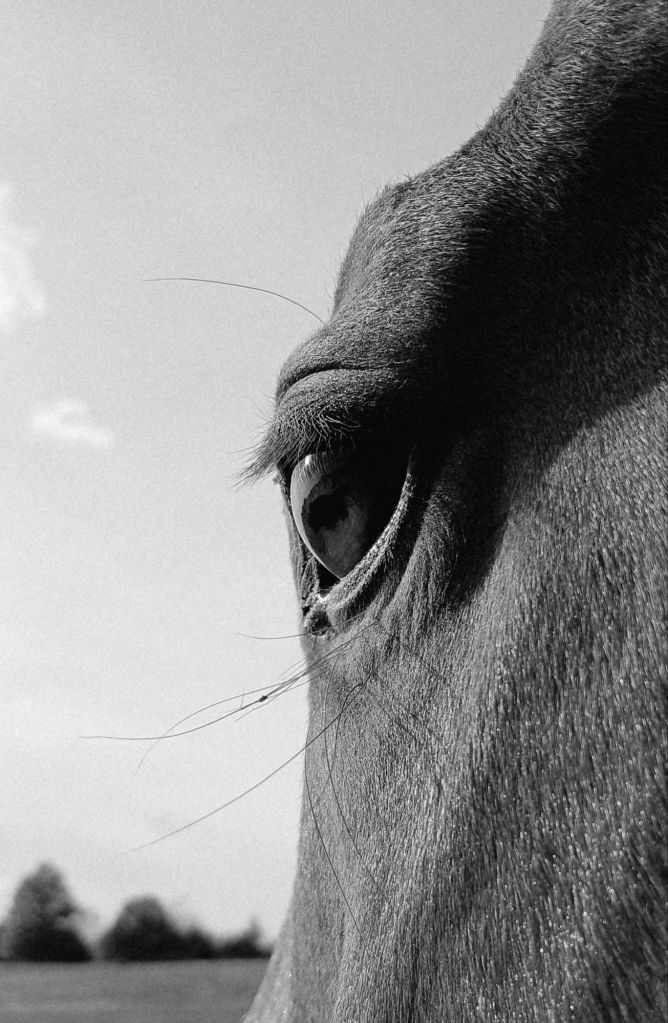
When asked what I wanted to be when I grew up, I answered that I wanted to be a jockey. But I was the tallest kid in my class by the fourth grade, so even then, I quickly accepted where I did not belong.
When I was still new to bike racing, a fellow cyclist that worked as an exercise rider in Kentucky showed me a door if I wanted it.
But in that world, just like any that revolves around horses, balance and momentum are ironically the first to be sacrificed if you want to stay employed.
I decided to not set myself up to fail.
_____
I am speaking to another local service club tomorrow and I know that amongst the questions I’ll receive after condensing a decades long story into 20 minutes, I’ll again be asked,
“How do you support yourself?”
And I’ll have to answer the same way I have been, with some version of “I’m scraping by,” that makes less and less sense to both me and the room the more people I meet.
Last winter, I was called to interview for a receptionist job. I sat across from a hiring manager that asked me more questions about who I was than about what was on the impossibly weak résumé on his desk. At the end of that interview, he said “I really want to offer you the position right now, but I’ll be honest, I’m worried you won’t stay. I think you might be better suited to a sales role here that you would be more engaged in, but we don’t have an opening at the moment.”
It was the most complimentary way I’ve ever been written off.
_____
An online cycling publication recently replied to me that they are interested in article contribution from me after I sent a pitch in my current period of unemployment. This is number 3/4 that has responded with a soft green light, but there remains a caveat.
Accompanying photo quality is paramount, and I have a $200 phone at my disposal. My participation in races this season already has a question mark next to it from a resource perspective, as is usual. A real camera hasn’t been on that list.
_____
Last summer, my van went down and I spent weeks riding 80-miles-per-day to a job that inevitably cut my hours back for performance issues. I couldn’t continue sustainably.
Then, I worked for another horse barn that fired me on-the-spot for calling out for fatigue. That was undoubtedly residual from season-long burnout that also knocked me out of racing (and feeling like myself) for the rest of the year.
The résumé now tells a story of a person that has predominantly physical work experience, quickly fades while there, and does not stay anywhere very long.
The Reason for Leaving line isn’t a friendly box for the truth, “Working under chronic survival conditions while still reaching for higher rungs” if you expect even a preliminary interview.
_____
This fall, I intended to pivot toward being a student instead, to which a university said, “Only prospects who graduated high school after 2020 can apply without test scores and yours from 2012 are no longer valid. You’ll have to retake the SAT at 30 or enter through the community college door that will require significant commute time to meet all prerequisite coursework.”
Okay, thank you for letting me know.
I look over my digital shoulder at the quietly growing readership that comes to this blog—the sprout of a long-range career focus that I already intend to build with or without credential. I think about how manageable it would be for me to manage work, courseload, commutes in my 13mpg 41-year-old van, ultra-endurance endeavors, and maintain even basic interpersonal relationships without unconditional family support.
And I wonder if I could be as present with them there than somewhere shoveling horse sh** in all weather for minimum wage while my mind mistakes the requirement of zoning out in monotony as existential threat.
_____
Meanwhile, I’m mirrored as “brilliant” by some parties while the thoroughbred throws itself into the bit and I have but one forefinger on the reins.
She’s coming into the final furlong with a rider that can’t stay with her.
The crowd will praise the jockey for the good showings,
and call an inquiry if something looks amiss.
The number one rule in equestrian sport is “It’s never the horse’s fault.”
May God have mercy on the rider who is put on the wrong one.
So, if you know of anyone who has the right one—
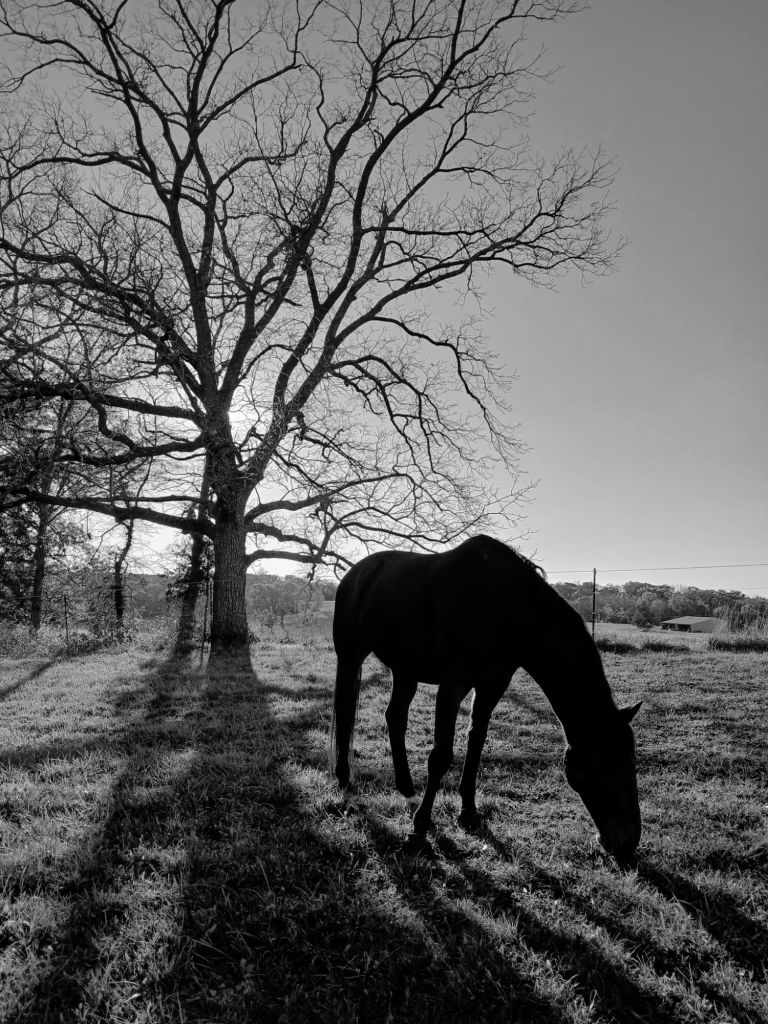
 I will the machine.